Pricing a home in Takoma Park can feel tricky. You might hear “Get a CMA” from your agent and “We need an appraisal” from your lender. Both estimate value, but they serve different purposes and follow different rules. By the end of this guide, you will know when to use each, how Takoma Park’s mix of Victorians, bungalows, and ramblers affects comps, and how to protect your deal from appraisal issues. Let’s dive in.
CMA vs. appraisal: quick comparison
| Topic |
CMA (Comparative Market Analysis) |
Appraisal |
| Who prepares it |
Real estate agent or broker |
Licensed or certified appraiser |
| Standards |
No uniform legal standard |
Must follow USPAP and lender guidelines |
| Primary use |
Pricing strategy for listing or offers |
Mortgage underwriting and risk management |
| What it includes |
MLS sales, active and pending listings, local insight |
Formal report with inspection, comps, and documented adjustments |
| Timing and cost |
Fast and usually free |
Several days to weeks, buyer or ordering party pays |
| Accepted by lenders |
No |
Yes |
What a CMA is and how it helps you
A CMA is your agent’s pricing roadmap. It uses recent nearby sales, active and pending competition, and local market knowledge to estimate a likely sale range. In Takoma Park, a strong CMA explains how style, condition, and location affect buyer demand.
For sellers, a CMA helps you set a competitive list price and plan smart pre-listing updates. For buyers, it guides offer strength and escalation strategy while keeping an eye on likely appraisal outcomes.
What an appraisal is and when you need one
An appraisal is a formal opinion of value for a lender or owner. Appraisers follow professional standards and lender rules. They inspect the home, measure living area, and choose the best comparable sales with documented adjustments.
If you are using a mortgage, your lender will almost always require an appraisal. The lender will base loan approval on the appraised value, not your contract price.
How Takoma Park homes impact comps
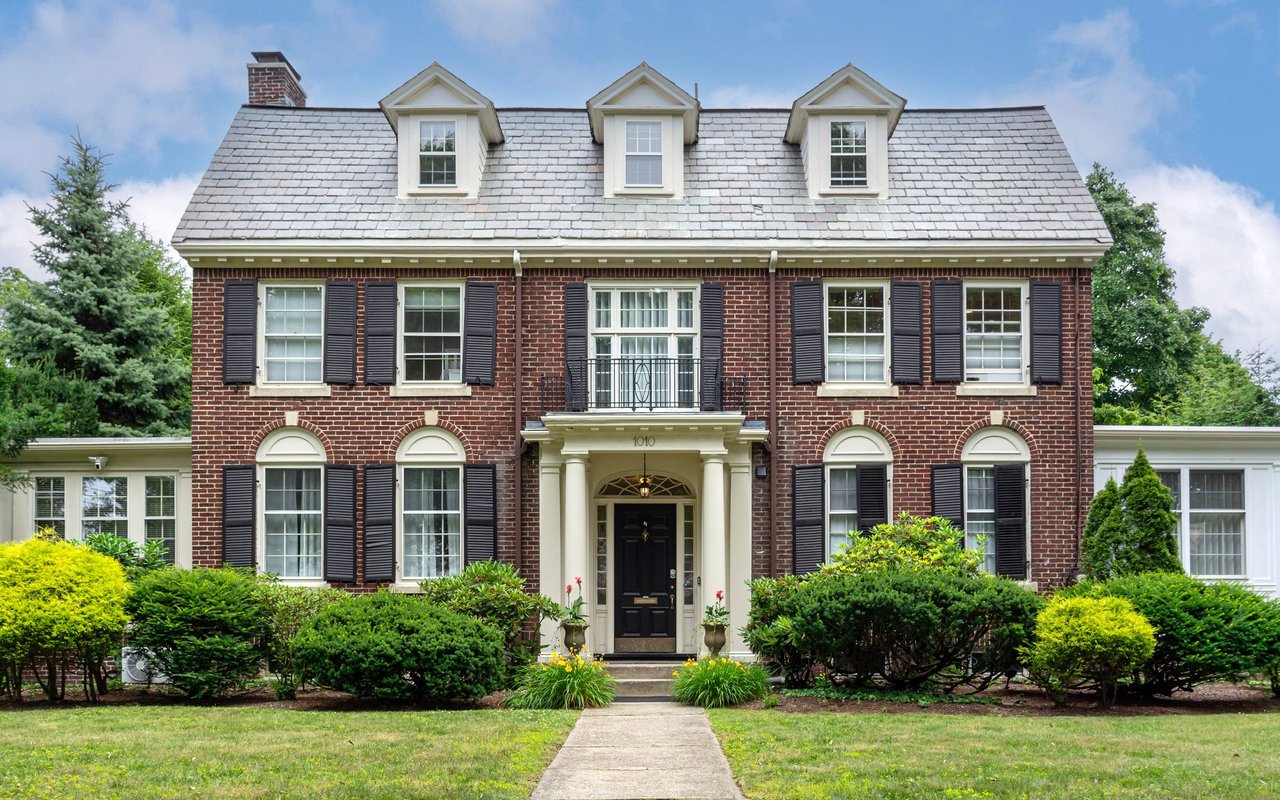
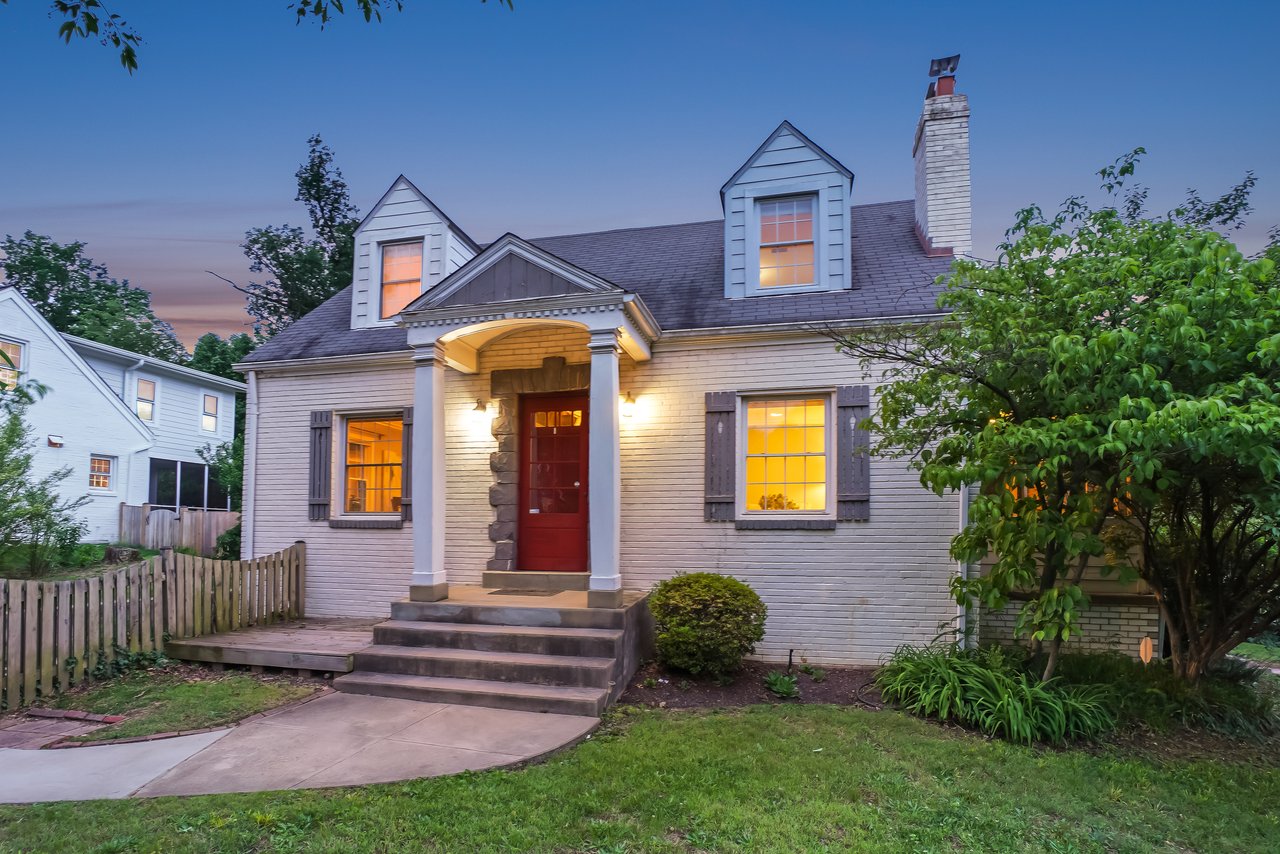
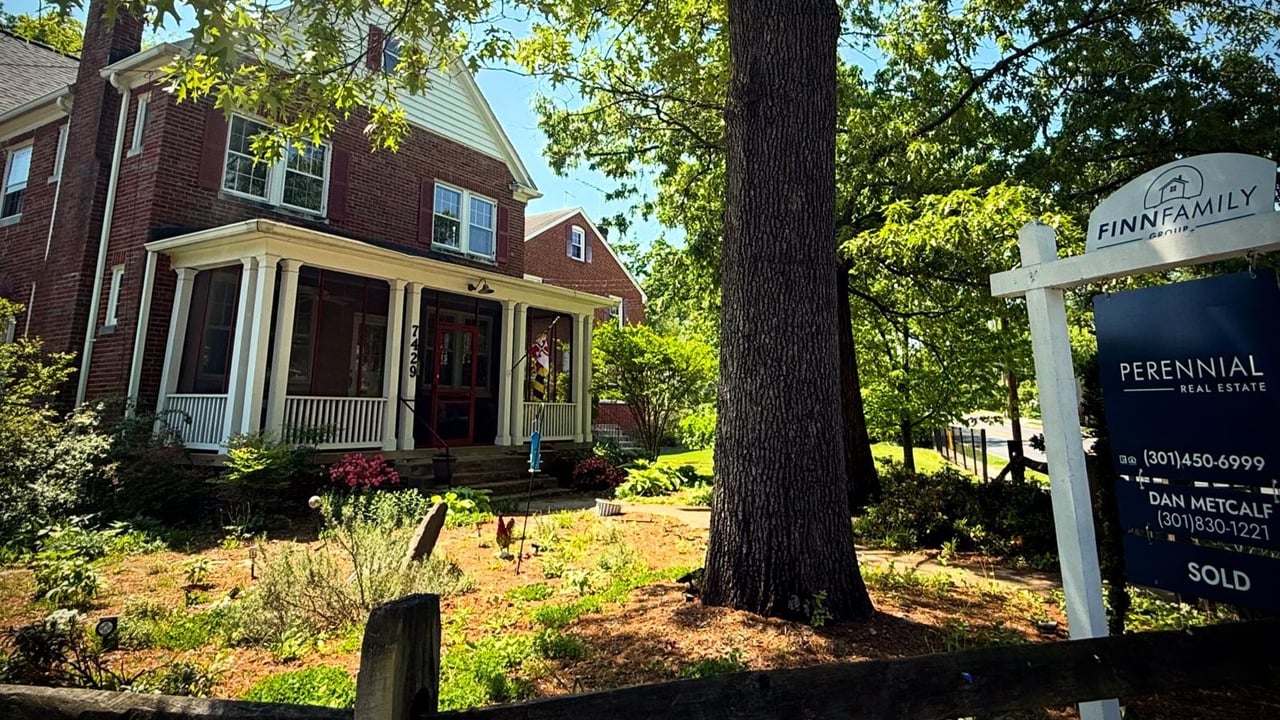
Takoma Park’s housing stock is diverse and close-knit. You will see early 20th-century Victorians and rowhouses, Craftsman bungalows, midcentury ramblers, and newer infill, often on the same block. That variety makes comp selection both nuanced and local.
Styles and layouts
- Victorians may offer charm, high ceilings, and porches. Layouts can be segmented unless renovated. GLA can overstate usability if kitchens and baths are dated.
- Bungalows often have cozy main levels with finished attics or basements. How those spaces are finished and counted matters.
- Ramblers can live larger than their footprint suggests, especially with open plans or finished lower levels.
Condition and renovations
Renovated kitchens, baths, systems, and permitted additions can move a home into a higher comp bracket. In Takoma Park, the range from original condition to fully restored is wide, so condition adjustments are often larger than in cookie-cutter suburbs.
Historic districts and restrictions
Parts of Takoma Park sit in historic overlays. Historic character can attract buyers and support value, but exterior change rules or higher renovation costs can also temper premiums. Appraisers will note these factors when considering marketability and effective age.
Micro-neighborhoods and transit access
Blocks close to Metro, buses, shops, and parks can perform differently from nearby streets. When possible, agents and appraisers prefer comps from the same micro-neighborhood, then expand outward with clear rationale if sales are scarce.
When you need each in Takoma Park
For sellers
- Use a CMA first to price confidently, plan staging, and target improvements that push value.
- Consider a pre-listing appraisal if your home is unique, straddles a wide price range, or you anticipate appraisal scrutiny.
- Provide your agent with renovation receipts, permits, and a feature list so both the CMA and any later appraisal capture your upgrades.
For buyers
- Ask for a CMA before you write. It helps you set a competitive offer and anticipate the appraisal result.
- In multiple offers, your CMA can support escalation and still keep you within a range that is likely to appraise.
- Plan for appraisal contingencies and cash coverage if you stretch above recent sales.
Managing appraisal risk in a competitive market
When an appraisal comes in below the contract price, the lender will limit the loan to the appraised value. You may need to bring extra cash, renegotiate, or cancel under your contingency. Preparation reduces the odds of a low result.
Common gap scenarios
- A turnkey home draws multiple offers above asking, but closed comps lag fast-moving demand.
- A rare property with historic features or a unique layout has few close matches within a tight radius.
- A rambler is compared to larger two-story homes without proper adjustments to usable space.
Steps to reduce risk: your Takoma Park checklist
- Gather documentation: permits, renovation summaries, receipts, contractor info, and age of major systems.
- Prepare relevant comps: same style and condition when possible, with clear notes on why each sale is comparable.
- Ensure full access: interior, systems, attic, basement, and any accessory dwelling space.
- Highlight historic context: character-defining features and any restrictions that affect marketability.
- For finished attics or basements, provide documentation showing what counts as finished GLA and what is below-grade space.
Real-world comp situations you might face
- Victorian with original layout vs. renovated Victorian sale: Expect meaningful adjustments for kitchens, baths, and functional utility. If you renovated, share before and after information.
- Rambler vs. nearby two-story: The difference in living area and buyer appeal requires careful adjustments. Look for ranch-style comps, even if you must widen the radius a bit.
- Few recent sales: Use the best available closed sales, then support with active and pending listings to illustrate current demand, noting that closed sales carry the most weight.
Work with a local team you trust
Takoma Park is not a one-size-fits-all market. A well-built CMA and a smooth appraisal process depend on micro-neighborhood knowledge, style-specific comps, and careful documentation. If you want pricing clarity, offer confidence, and fewer surprises, lean on a team that works these blocks every day.
Have questions or want a pricing read on your home? Connect with the Finn Family Group for a thoughtful CMA and a plan to position your property or offer with confidence.
FAQs
What is the difference between a CMA and an appraisal in Takoma Park?
- A CMA is an agent’s pricing estimate for strategy, while an appraisal is a formal opinion by a licensed appraiser used by lenders for mortgages.
Will my lender accept a CMA instead of an appraisal in Montgomery County?
- No. Most lenders require an appraisal that follows professional standards, and they will not substitute a CMA for underwriting.
How do historic district rules affect home value in Takoma Park?
- Historic character can support value, but renovation restrictions and costs may temper price gains. Appraisers consider both when forming an opinion.
What if my Takoma Park appraisal comes in below the contract price?
- You may need to bring more cash, renegotiate, or use an appraisal contingency. Solid comps and documentation can help reduce this risk.
Should I get a pre-listing appraisal as a Takoma Park seller?
- It can help for unique homes or wide price ranges. Many sellers start with a thorough CMA and add a pre-listing appraisal if they anticipate appraisal scrutiny.
How do appraisers treat finished basements and attics in Takoma Park?
- Above-grade finished area typically counts as GLA, while most basements are below grade and adjusted differently. Documentation and quality of finish matter.