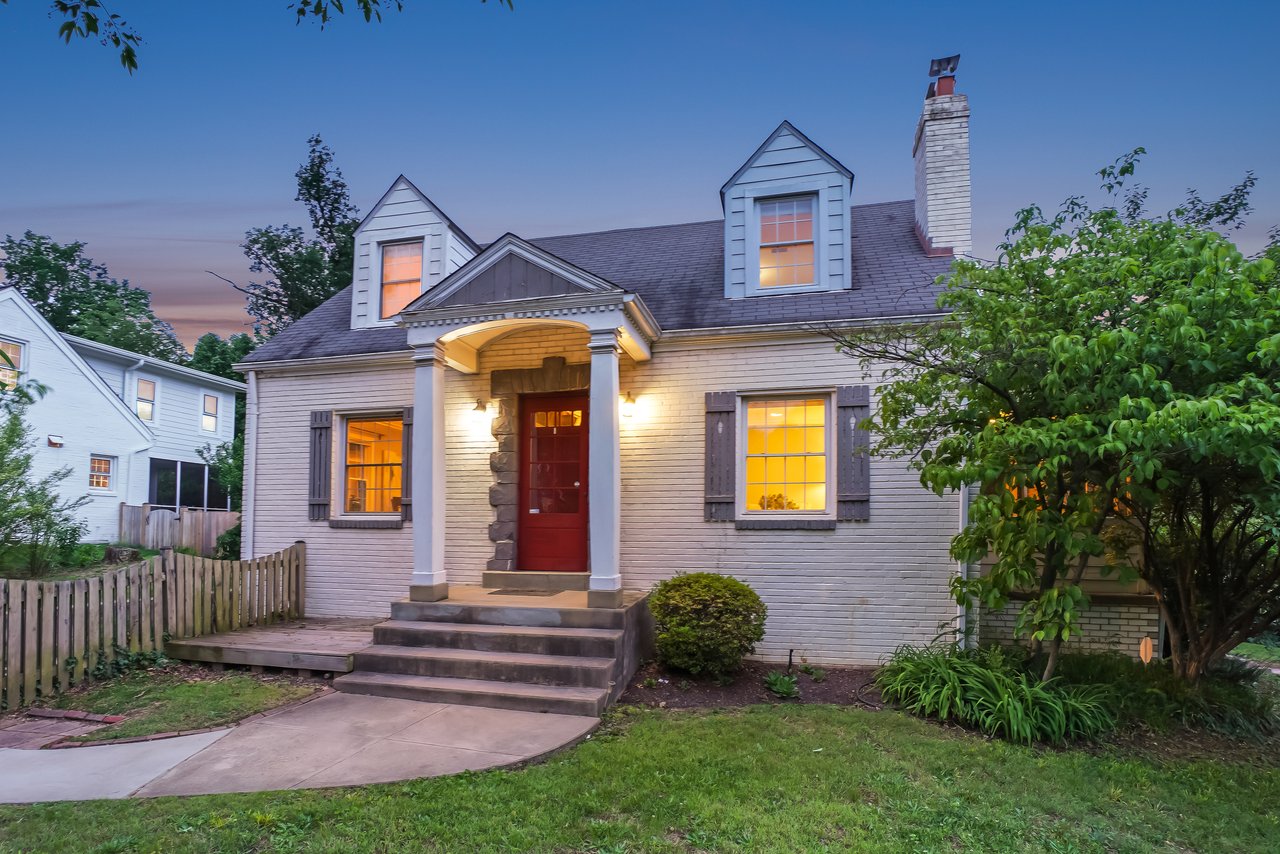
Thinking about selling your split‑level in Silver Spring but not sure how to price it? You are not alone. Split‑levels are common here and they are different from colonials and ranches, which makes pricing tricky. In this guide, you will learn how to read comps for your home type, which features matter most, and how timing and presentation can lift your final sale price. Let’s dive in.
Why split‑level pricing is different
Split‑levels often date from the 1950s to the 1970s, and that era shapes how buyers react. The layout, ceiling heights, and natural light can vary by level, so two homes with the same square footage may not feel the same to buyers.
The biggest pricing nuance is how living area is counted. MLS and appraisers usually count only above‑grade finished area, often called GLA. Many split‑levels have finished lower levels that sit partially below grade. Buyers value this space, but it is often not counted in GLA, so you need to compare apples to apples when reviewing comps.
Also consider flow and usable space. Some split‑levels have segmented rooms or short stair runs. Updates that open sightlines between kitchen, dining, and family areas can raise appeal. Lot utility matters too. A flat, usable yard is a plus for outdoor living, while steep slopes or easements can limit value.
Know the Silver Spring market
Seasonality and timing
Buyer activity in suburban DC typically rises in late winter and peaks in spring. Many family buyers plan around the Montgomery County Public Schools calendar, aiming to move before school starts in late summer. Listing in late winter or early spring positions you to capture this demand and still close before August. Off‑season listings can work with competitive pricing and strong presentation, especially if you target buyers not tied to the school year.
Micro‑neighborhoods and access
Silver Spring is a set of micro‑markets. Proximity to the Red Line, bus routes, and downtown amenities often commands a premium. A home that is closer to transit, parks, or local shopping may justify a higher price than a similar home farther out. Always weigh location differences when you compare sales.
Data sources to consult
- Bright MLS for recent solds, days on market, and list‑to‑sale outcomes.
- Montgomery County property records and GIS for lot size, year built, easements, and tax history.
- MCPS boundary lookup and the current school calendar to align timing and provide neutral, factual information to buyers.
- Market briefs and reports from national sources to understand broader seasonality and demand trends.
Choose the right comps
Step‑by‑step comp selection
- Start close by. Use sold comps within your immediate neighborhood or within a 0.25 to 0.5 mile radius if possible.
- Match house type and era. Compare to other split‑levels built in a similar timeframe. Layout and ceiling heights differ from colonials and ranches.
- Match above‑grade GLA first. Verify whether each comp’s lower level was counted as GLA or not. Keep it consistent.
- Align bed and bath counts. A second full bath often makes a meaningful difference compared to one full bath plus a half bath.
- Check lot utility. Note usable yard area, topography, and constraints like floodplain or easements.
- Weigh location features. Transit access, proximity to downtown Silver Spring, and neighborhood amenities can require adjustments.
Pitfalls to avoid
- Relying on list prices instead of closed sales. List prices can be aspirational.
- Mixing comps that count lower levels in GLA with comps that do not. Keep your math consistent.
- Ignoring micro‑market differences. A nearby sale next to transit or a walkable center may not be equivalent to a quieter pocket farther away.
Make smart adjustments
Square footage and living area
Adjust for above‑grade square footage first. Then consider finished lower‑level space separately. Finished rooms below grade can carry value, but typically less per square foot than above‑grade space. Be explicit about what you are adjusting and why.
Bedrooms and bathrooms
More bedrooms and full baths typically add value. Compare similar counts, and when they differ, adjust for the market’s willingness to pay for function. A true second full bath often attracts more family buyers than a half bath.
Condition and updates
Kitchens and primary bathrooms are high‑impact areas. Updated systems like HVAC, roof, windows, and electrical reduce buyer risk and appraisal concerns. Visible deferred maintenance often leads to lower offers or requests for credits. Document upgrades and service records so buyers and appraisers have clear evidence.
Lot, parking, and location
A flat, usable rear yard supports outdoor living and future expansion. Attached or covered parking can be a meaningful plus in suburban settings. If your home is closer to Metro or downtown amenities than a comp, consider a positive location adjustment. If it is farther, consider the opposite.
How to quantify adjustments
When possible, use paired sales in your neighborhood. For example, find two similar splits where one feature differs, such as a remodeled kitchen. The price gap between those sales can guide a market‑based adjustment. When you cannot find a clean pair, use realistic cost estimates from local contractors and weigh buyer convenience. For final pricing, consult a local appraiser or experienced agent who works these streets every week.
Updates that influence price
High‑impact spaces
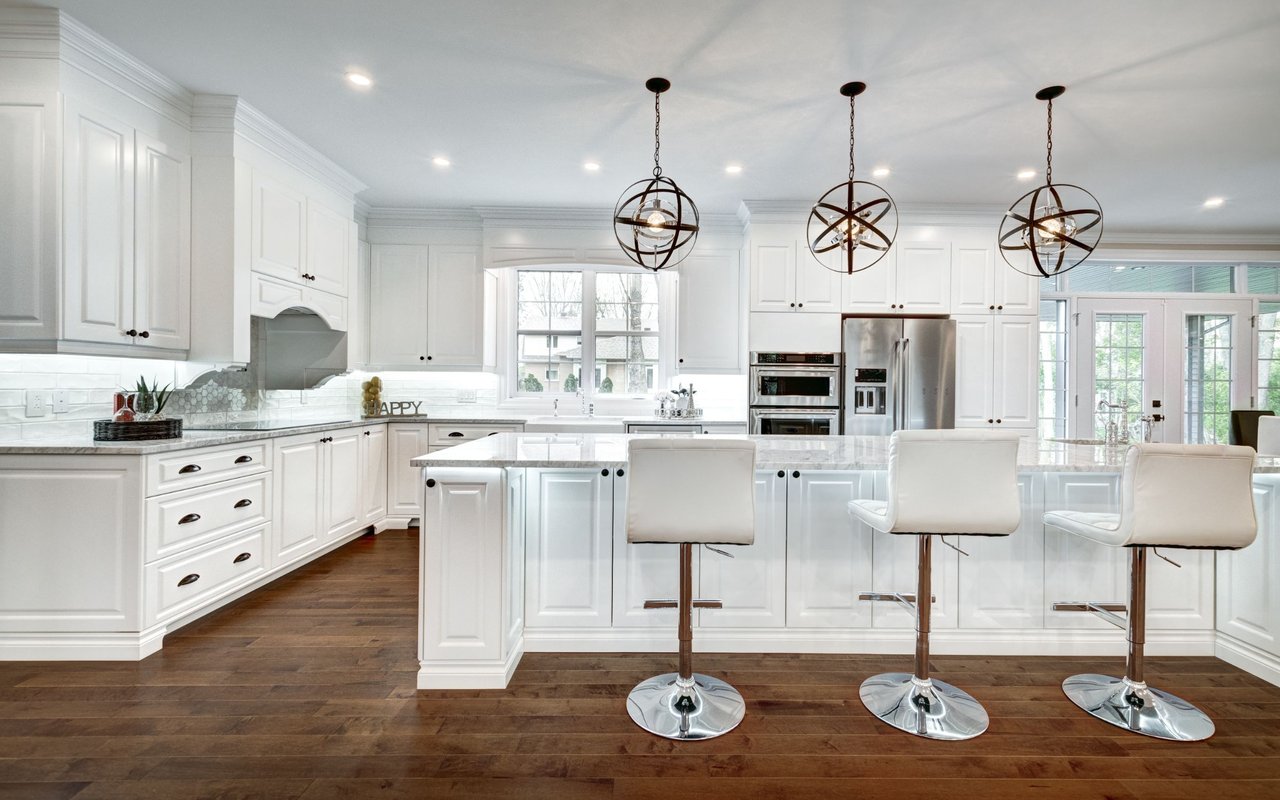
In split‑levels, an open, modern kitchen that improves flow to dining and family rooms can attract stronger offers. A refreshed primary bath also helps. Aim for finishes that photograph well and feel current for the neighborhood.
Systems and infrastructure
Buyers and lenders watch big‑ticket items. Newer HVAC, roof, and windows ease appraisal concerns and reduce perceived risk. Clear documentation of age, service, and warranties supports your price.
Cost versus market value
Not every dollar spent returns a dollar in value. Use local comps to test whether a project is needed to compete. If nearby sold homes have updated kitchens, it may be worth doing more. If not, focus on targeted prep.
High‑return, low‑cost prep
- Fresh paint in light, neutral tones
- Updated lighting for brighter interiors
- Refinished or new flooring where worn
- New hardware, faucets, and mirrors
- Thoughtful staging to clarify how each level lives
Presentation that sells
Staging and photography
First impressions online drive showings. Professional photography, a clear floor plan, and bright, simple staging help buyers understand split‑level spaces. Staging can make rooms appear larger and help buyers see how each level works for daily life.
Curb appeal
Simple exterior refreshes carry outsized value. Pressure wash walkways, trim shrubs, add fresh mulch, and paint the front door. Clean lines and color contrast help photos pop.
Showing strategy by season
In spring, open the calendar for showings and highlight outdoor spaces. In late spring and early summer, coordinate closing windows for buyers who want to move before school starts. In the off‑season, focus on competitive pricing, flexible tours, and strong online assets like virtual walkthroughs.
Pricing scenarios to consider
- Updated and move‑in ready. If your kitchen and baths are current and systems are newer, you can price toward the top of the split‑level range for your micro‑market. Use recent, nearby updated splits for a tight value band.
- Dated but well‑maintained. Price relative to updated comps by considering the gap buyers paid for updates in recent sales. Targeted cosmetic refreshes before listing can narrow that gap.
- Strong location or lot. If you have a flat, usable yard or superior access to transit or downtown, seek comps that share those traits. Adjust cautiously when you compare to homes without them.
- Limited comps. Blend the best nearby solds with pending sales for direction and lean on a local appraiser or experienced agent for paired‑sale logic.
Pre‑listing checklist for split‑levels
- Verify GLA and how finished lower levels will be described in marketing.
- Pull recent sold comps from Bright MLS within 6 to 12 months and confirm final sale prices and concessions.
- Inspect major systems and gather service records, estimates, and permits for any work completed.
- Refresh paint, lighting, and flooring as needed. Stage key spaces and book professional photography.
- Review lot utility, including any easements, slopes, or floodplain notes, using county GIS.
- Prepare neutral MCPS boundary information and confirm the current school calendar for timing questions.
Work with a local pro
Pricing a split‑level in Silver Spring is part art, part data. You want a partner who knows the micro‑markets, reads MLS nuances on GLA, and understands what local buyers will pay for updates, location, and yard utility. If you are considering a sale, we can help you choose the best timing, prepare a data‑driven price, and present your home to maximize interest. Reach out to the Finn Family Group for a free, local valuation and a clear plan.
FAQs
How do I value a finished lower level in a Silver Spring split‑level?
- Treat above‑grade GLA separately, then assign a contributory value to finished lower‑level space based on nearby paired sales or appraiser input.
What is the best time to list a split‑level in Silver Spring?
- Late winter to spring typically captures peak buyer activity aligned with the school year, with off‑season sales succeeding through competitive pricing and strong presentation.
Which updates matter most before selling a split‑level?
- Modern kitchen and primary bath updates, plus newer HVAC, roof, and windows, have consistent impact; cosmetic refreshes like paint and lighting also help.
How close should comps be when pricing my home?
- Start in the same neighborhood or within 0.25 to 0.5 miles, match house type and era, and prioritize sales from the past 6 to 12 months.
How do I handle micro‑neighborhood and transit differences in comps?
- Adjust for proximity to Metro, downtown amenities, parks, and walkable centers by using paired sales or experienced local guidance.
Should I remodel or price as‑is for a faster sale?
- Compare nearby sold homes: if most have updated kitchens or baths, targeted remodeling may be needed; if not, focus on strategic prep and price to the market.
What documents should I prepare for appraisers and buyers?
- Provide accurate GLA details, upgrade receipts, permits, system service records, and county property information, plus neutral MCPS boundary and calendar details.